What Professional Recognition Really Looks Like in Nanny Work
Professional recognition for nannies isn’t about wearing a badge—it’s about showing your skills and commitment every day. If you’re ready to prove your expertise with qualifications, safeguarding knowledge, and a strong portfolio, you’re in the right place. This guide from Helen McCarthy and UK Nanny lays out the clear steps to highlight your professionalism and connect you with a community that values your work.
Understanding Professional Recognition
Professional recognition is more than a title; it’s about demonstrating your dedication and skills. Let’s explore what marks a nanny as truly professional, starting with key qualities.
Key Markers of Professionalism
Being a professional nanny extends beyond daily tasks. It starts with qualities like reliability, patience, and excellent communication. A key part of this is maintaining punctuality and consistency, which parents highly value. Showing empathy and understanding in challenging moments is also crucial. Most people think it’s just about watching the children, but it involves much more, like nurturing their development.
Your appearance and behaviour matter too. Dressing appropriately and maintaining a positive attitude reflect your professionalism. By embodying these traits, you earn trust, making families feel secure. This, in turn, enhances your standing in the community and opens doors to more opportunities.
Nanny Qualifications in the UK
In the UK, having the right qualifications boosts your credibility. Start with courses in Early Years Foundation Stage (EYFS) and paediatric first aid. These are essential for understanding child development and handling emergencies.
Many nannies consider a DBS check a basic requirement. It reassures families of your suitability for childcare. Some nannies also pursue Ofsted registration, which further validates their professionalism.
Building Your Nanny Portfolio
Creating a strong portfolio showcases your experience and achievements. Begin by including certificates and any relevant training. A portfolio is not just a collection; it’s your professional story.
Add references from past employers. Their testimonials can vouch for your skills and character. Include photos or notes about activities you’ve led, showing your creativity. Keep the portfolio updated with new skills or courses. Regular updates keep your profile fresh and relevant.
Steps to Evidence Expertise

Evidencing your expertise involves more than skills; it’s about building trust. Here’s how you can prove your commitment to quality childcare.
Safeguarding and DBS Checks
Safeguarding training is non-negotiable. It equips you to protect children from harm and is crucial for your confidence and theirs. A DBS check proves your suitability for working with children. It’s a standard many families look for.
This process reassures parents that you are trustworthy. It’s a straightforward way to demonstrate your commitment to safety, making families feel more secure.
The Importance of Nanny References
References carry weight in the childcare industry. They provide an outsider’s perspective on your capabilities. Request references from past clients who can speak to your strengths.
Most people think references are just a formality, but they can be decisive. Families value insights from those who have directly seen you work. A reference can affirm your reliability, making you stand out to potential clients.
Crafting a Nanny Contract in the UK
Contracts clarify expectations and protect both parties. They outline responsibilities, working hours, and payment terms. A well-drafted nanny contract in the UK ensures transparency.
Having a contract shows you take the role seriously. It prevents misunderstandings and reinforces your professionalism. Discuss terms openly with families to ensure mutual understanding and satisfaction.
Engaging with the UK Nanny Community
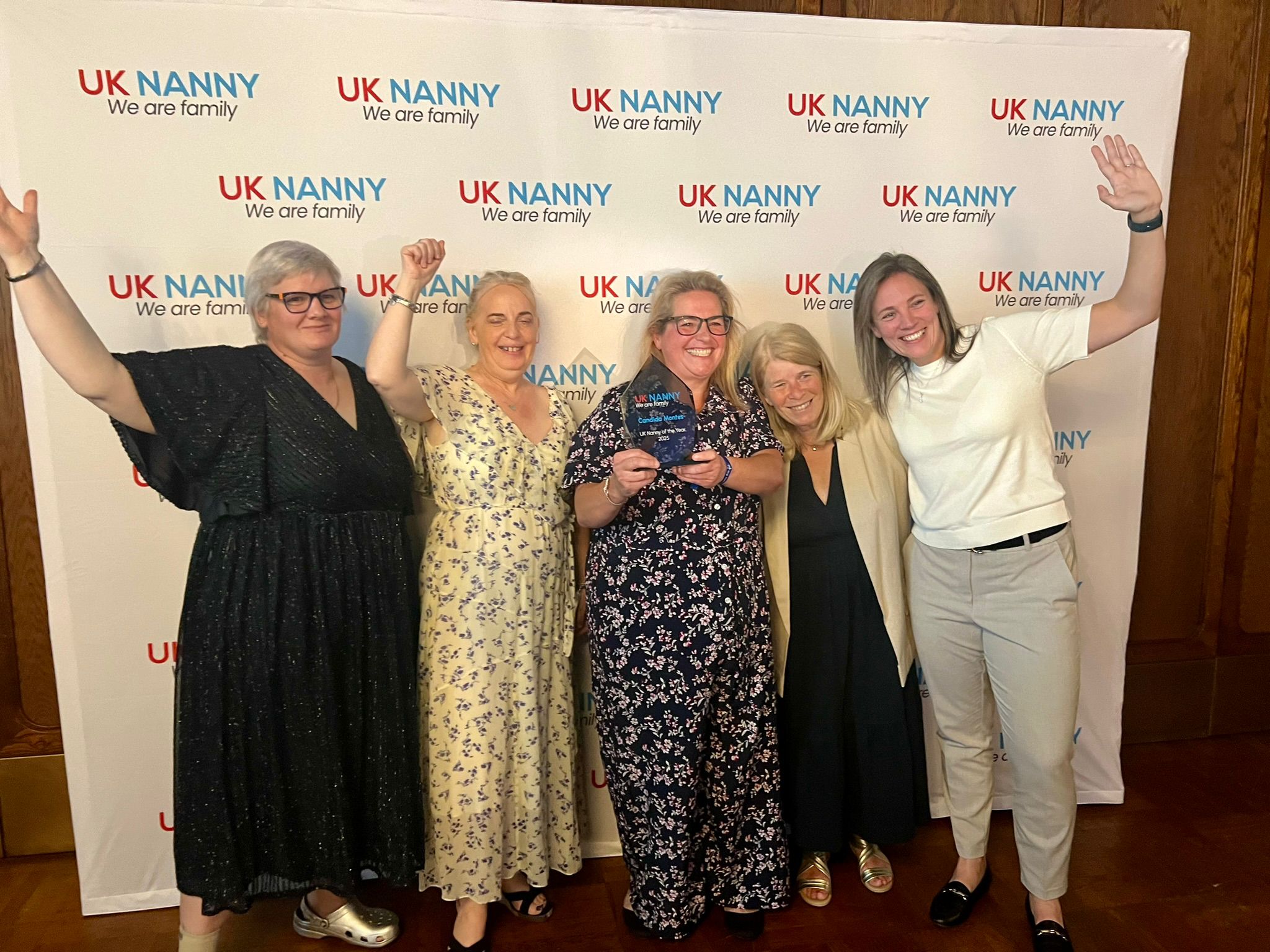
Joining a community like UK Nanny connects you with fellow professionals and resources. It fosters a supportive environment where you can learn and grow.
Benefits of CPD for Nannies
Continuing Professional Development (CPD) keeps your skills up-to-date. Attending workshops and training can enhance your knowledge and credentials. This ongoing learning benefits both you and the families you work with.
CPD isn’t just about acquiring certificates. It’s about showing your commitment to excellence. It positions you as a proactive nanny eager to provide the best care.
Networking Events and Opportunities
Networking can open doors to new opportunities. Attend events to meet other nannies, share experiences, and learn from industry leaders. These interactions can lead to job offers or collaborations.
Networking isn’t just about finding work. It’s about building a support system. Engaging with peers can boost your confidence and help you navigate challenges.
Connecting with Helen McCarthy 🍼
Helen McCarthy, a renowned nanny advocate, offers a wealth of knowledge. By connecting with her, you can gain insights into industry trends and best practices. Helen’s passion for the nanny profession empowers others to strive for excellence.
Through her initiatives, you can access valuable resources and support. Engaging with her and the UK Nanny community helps you stay informed and inspired. Embrace this opportunity to elevate your career and connect with like-minded professionals.
Conclusion
Professional recognition as a nanny involves more than skills; it’s about dedication, community, and continuous growth. By focusing on the key markers of professionalism and engaging with supportive networks, you enhance your status in the industry. Remember, the journey is ongoing, and each step you take solidifies your place as a valued childcare professional.